Unleashing a child’s creativity through DIY crafts isn’t just about keeping them busy – it’s about sparking imagination and building confidence. From turning ordinary household items into extraordinary treasures to creating memorable keepsakes these hands-on activities offer endless possibilities for fun and learning.
In today’s digital age where screens dominate children’s attention DIY crafts provide a refreshing break and encourage essential skills development. Whether it’s improving fine motor skills boosting problem-solving abilities or simply enjoying quality family time crafting opens up a world of opportunities. Parents and caregivers will discover that most of these projects require simple materials they already have at home making it both budget-friendly and convenient.
Benefits of DIY Crafts for Child Development
DIY crafts play a vital role in enhancing various aspects of child development. These activities create opportunities for learning essential life skills through engaging hands-on experiences.
Motor Skills and Creativity
DIY crafts strengthen fine motor skills through activities like cutting paper shapes gluing small objects drawing patterns. Children develop hand-eye coordination when threading beads painting with brushes folding origami shapes. The manipulation of different materials textures surfaces enhances their grip control dexterity.
Creative expression flourishes as children experiment with:
- Mixing colors to create new shades
- Arranging shapes in unique patterns
- Combining materials in unexpected ways
- Developing original designs solutions
Learning Through Hands-on Activities
Children process information effectively by engaging directly with materials objects concepts. DIY crafts create tangible learning experiences in:
- Math skills through counting sorting measuring materials
- Science concepts via color mixing texture exploration material properties
- Problem-solving through project planning resource management
- Sequential thinking by following step-by-step instructions
Tactile learning reinforces:
- Shape recognition
- Pattern identification
- Spatial awareness
- Color relationships
- Basic engineering concepts
The hands-on nature of crafting helps children retain information longer compared to passive learning methods. Each project provides immediate feedback allowing children to adjust modify improve their techniques.
Essential Craft Supplies for Kids
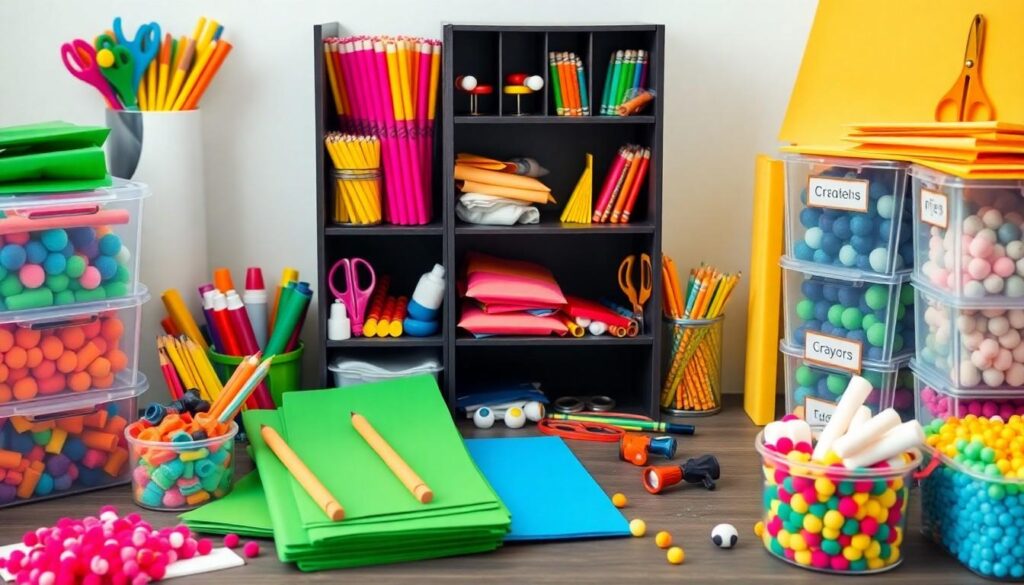
A well-stocked craft supply collection enables children to explore their creativity whenever inspiration strikes. Creating an organized craft station with fundamental materials promotes spontaneous artistic expression while maintaining safety standards.
Basic Materials to Keep Stocked
The foundation of any kids’ craft collection includes versatile materials for multiple projects:
- Paper Products: Construction paper colored cardstock blank paper rolls art paper
- Adhesives: White glue glue sticks craft tape double-sided tape
- Drawing Tools: Crayons markers colored pencils washable paint
- Decorative Items: Pom-poms pipe cleaners sequins googly eyes
- Natural Materials: Popsicle sticks cotton balls yarn fabric scraps
- Storage Solutions: Clear containers labeled bins craft caddies art boxes
- Cutting Tools: Safety scissors craft punches shape cutters
- Creative Basics: Stickers washi tape ribbon buttons
Safety Considerations
- Age-Appropriate Tools: Round-tipped scissors child-safe paintbrushes non-toxic materials
- Supervision Rules: Adult presence during scissor use paint activities glue gun projects
- Workspace Protection: Plastic tablecloths newspaper dropcloth splat mats
- Material Safety: Non-toxic paints washable markers child-safe glue
- Clean-up Protocol: Hand washing stations paper towels wet wipes
- Organization System: Labeled storage high shelves for sharp tools locked cabinets
- Emergency Supplies: First aid kit emergency contact list cleaning supplies
- Protective Gear: Smocks safety goggles disposable gloves
Easy Paper Craft Projects
Paper crafts transform simple sheets into engaging 3D creations with minimal supplies. These projects develop fine motor skills while introducing children to basic folding techniques.
Colorful Paper Animals
Creating paper animals combines cutting skills with creative expression through simple shapes. Children start with basic geometric forms – circles become heads, triangles transform into ears or beaks, rectangles form bodies. A pair of scissors, colored paper, glue, and markers enable kids to craft 10+ different animals including lions, rabbits, penguins, cats, and dogs. Adding googly eyes, patterned paper, or tissue paper textures enhances the dimensional appeal. Each animal takes 15-20 minutes to complete, making these projects perfect for short attention spans.
Simple Origami for Beginners
Origami introduces children to step-by-step paper folding through basic designs that build confidence. Beginning patterns like boats, butterflies, dogs, and pinwheels use single square sheets of paper. A 6×6 inch paper size proves ideal for small hands to manipulate. Kids master fundamental folds – valley, mountain, triangular, square – through repetitive practice with each new creation. Common origami projects take 5-10 minutes, letting children complete multiple designs in one sitting. Adding decorative details with markers or stickers personalizes each finished piece.
Nature-Inspired DIY Crafts
Nature provides endless inspiration for children’s craft projects, offering accessible materials that spark creativity while connecting kids with the outdoors. These eco-friendly activities combine artistic expression with natural elements to create unique pieces of art.
Rock Painting Ideas
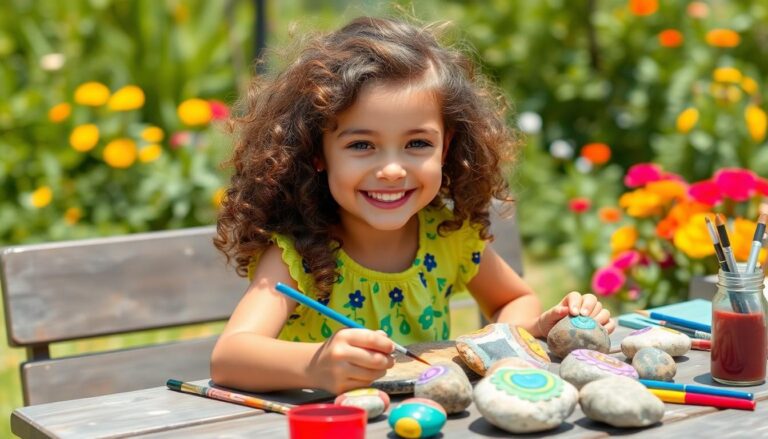
Rock painting transforms ordinary stones into colorful works of art. Kids paint simple patterns like dots, stripes or geometric shapes on smooth rocks using acrylic paints. Adding googly eyes creates pet rocks with personalities, while mandala designs teach focus and symmetry. Garden markers made from painted rocks display plant names in outdoor spaces. Storytelling rocks feature characters or scenes that children use to craft narratives. Each painted rock takes 30-45 minutes to complete, including drying time between layers.
| Rock Painting Supplies | Usage Time |
|---|---|
| Acrylic Paint | 15-20 min |
| Paint Pens | 10-15 min |
| Sealant | 5-10 min |
Leaf and Flower Art
Pressed flowers and leaves create stunning natural collages on paper or cardstock. Children collect fallen leaves, petals and flowers to press between heavy books for 5-7 days. Leaf rubbings using crayons reveal intricate vein patterns and textures. Flower petal suncatchers made with contact paper display vibrant colors when hung in windows. Nature wreaths combine twigs, leaves and flowers on paper plate bases. These projects preserve seasonal materials while teaching plant identification and classification.
| Natural Materials | Drying Time |
|---|---|
| Leaves | 5-7 days |
| Flower Petals | 3-5 days |
| Small Twigs | 1-2 days |
Recycled Material Crafts
Recycled material crafts transform everyday household items into creative DIY projects for kids. These eco-friendly activities teach children about sustainability while engaging their imagination through hands-on creation.
Cardboard Box Creations
Empty cardboard boxes serve as versatile building blocks for imaginative play structures. Children craft miniature cities using small boxes for buildings decorated with markers, paint or construction paper. Large boxes transform into playhouses, rocket ships or cars with simple cuts, colorful paint designs, and added details like windows and doors. Box robots come to life with aluminum foil, bottle cap buttons, and paper tube arms. Creative kids turn cereal boxes into treasure chests using gold paint, decorative tape, and gem stickers. Shoebox dioramas showcase miniature scenes with clay figures, natural materials, and hand-drawn backdrops.
Plastic Bottle Projects
Empty plastic bottles find new purpose through creative upcycling activities. Kids create decorative planters by cutting bottles horizontally, painting the bottom section, and adding drainage holes for growing herbs or small flowers. Bottle bottoms transform into stamps for paint projects when dipped in paint and pressed onto paper. The top portions become bird feeders with small holes and wooden spoons as perches. Artistic children design pencil holders by cutting bottles into spiral shapes, painting them in bright colors, and securing the base. Plastic bottle butterflies emerge from flattened bottles painted in patterns with decorated pipe cleaner antennae.
Holiday-Themed Craft Ideas
Holiday crafts provide children with creative opportunities to celebrate special occasions while making lasting memories. These projects combine seasonal elements with hands-on learning experiences.
Seasonal Decorations
Children create festive paper snowflakes for winter using white paper folded into intricate patterns. Orange tissue paper transforms into autumn leaf garlands adorning windows or doorways. Handprint turkeys made from construction paper bring Thanksgiving spirit to refrigerator displays. Easter egg suncatchers crafted from contact paper sparkle with tissue paper pieces in spring colors. Paper plate wreaths showcase seasonal materials like cotton balls for winter or artificial flowers for spring. Children design spooky Halloween decorations using black construction paper bats or cotton ball ghosts.
Gift-Making Projects
Salt dough ornaments personalized with handprints make treasured holiday keepsakes for family members. Children paint wooden picture frames decorated with seashells or buttons for Mother’s Day presents. Homemade cards feature pressed flowers or finger-painted designs for birthdays or special occasions. Decorated mason jars filled with LED lights create magical bedroom nightlights. Children craft friendship bracelets using embroidery floss in recipients’ favorite colors. Painted terra cotta pots display cheerful designs for gardening enthusiasts. Custom bookmarks incorporate pressed leaves or hand-drawn illustrations for book-loving friends.
Conclusion
DIY crafts offer children an incredible opportunity to explore their creativity while developing essential life skills. From nature-inspired projects to holiday-themed creations these hands-on activities provide endless possibilities for learning and entertainment.
Parents and caregivers can easily set up engaging craft sessions using readily available materials while ensuring safety and organization. The lasting impact of these creative endeavors extends far beyond the finished product fostering confidence problem-solving abilities and a love for artistic expression.
By incorporating DIY crafts into children’s routines families create meaningful experiences that celebrate imagination and personal growth. It’s time to gather supplies embrace the creative journey and watch young minds flourish through the joy of crafting.