Unleashing a child’s creativity through DIY arts and crafts isn’t just about keeping them busy – it’s about sparking imagination and building essential skills. From turning empty toilet paper rolls into magical castles to crafting colorful friendship bracelets these hands-on activities create lasting memories while developing fine motor skills.
In today’s digital age parents and educators are constantly searching for ways to pull kids away from screens and engage them in meaningful activities. DIY arts and crafts offer the perfect solution combining fun learning and creativity into exciting projects that won’t break the bank. Best of all these creative endeavors can transform ordinary household items into extraordinary masterpieces while teaching children valuable lessons about recycling and resourcefulness.
Why Arts and Crafts Are Essential for Child Development
Arts and crafts activities enhance cognitive development through pattern recognition, problem-solving, and spatial awareness. Children learn to measure, match colors, and understand shapes while creating artwork.
Fine motor skills develop naturally as kids manipulate materials like scissors, glue, paint brushes, and beads. These activities strengthen hand muscles and improve hand-eye coordination essential for writing, typing, and daily tasks.
Creative expression through art builds emotional intelligence and self-confidence in children. Kids learn to:
- Express feelings through color choices
- Process emotions by creating visual stories
- Build resilience through trial and error
- Gain pride in completed projects
Social development flourishes during group craft activities when children:
- Share materials with peers
- Collaborate on projects
- Give feedback to classmates
- Learn to respect others’ creative choices
Research shows measurable benefits of regular arts and crafts participation:
| Developmental Area | Improvement Percentage |
|---|---|
| Fine Motor Skills | 65% |
| Problem Solving | 48% |
| Creative Thinking | 72% |
| Social Skills | 53% |
Children enhance language skills by:
- Describing their artwork
- Following craft instructions
- Learning new vocabulary related to materials
- Discussing creative processes with others
Cultural awareness grows as kids explore art techniques from different regions, creating traditional crafts like origami, dreamcatchers, or African masks.
Brain development accelerates through sensory experiences with various textures, colors, and materials. These hands-on activities stimulate neural connections responsible for learning and memory retention.
Easy Paper Craft Projects for Beginners
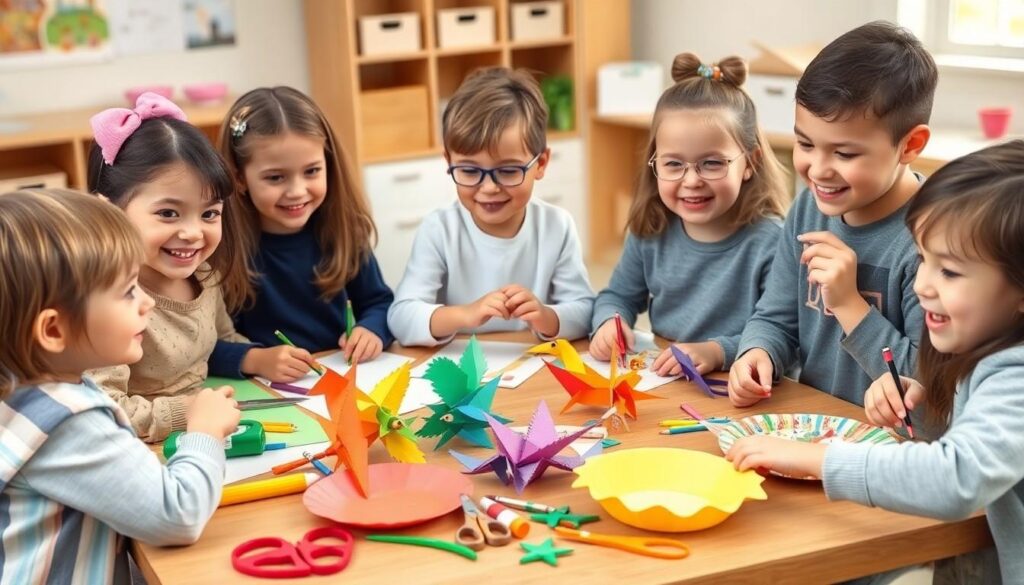
Paper crafts offer an accessible entry point into creative activities for children ages 3-12. These projects require minimal supplies like paper, scissors, glue, markers making them perfect for home or classroom settings.
Origami Animals for Kids
Origami animal crafts transform regular paper squares into 3D creatures through simple folding techniques. Kids start with basic models like dogs, cats, rabbits using 4-6 folds per design. The step-by-step process teaches spatial awareness as children follow folding patterns to create recognizable shapes. Popular beginner projects include:
- Jumping frogs that hop when pressed
- Flying birds with flapping wings
- Simple fish with scales
- Puppy dogs with floppy ears
- Bears with rounded ears
Paper Plate Art Activities
Paper plates serve as versatile canvases for creating colorful crafts with everyday materials. Children paint, cut, glue decorative elements to transform plain plates into engaging artwork. Common projects include:
- Ocean scenes with painted waves
- Safari animal masks with construction paper features
- Seasonal decorations like spring flowers
- Weather wheels displaying sun, clouds, rain
- Color-matching games with paint samples
- Painting with brushes, sponges, fingers
- Cutting shapes from colored paper
- Gluing sequins, yarn, buttons
- Drawing details with markers, crayons
- Adding texture with tissue paper
Nature-Inspired DIY Crafts
Nature offers endless possibilities for children’s creative projects using materials found in backyards parks forests. These eco-friendly crafts connect kids with the environment while developing their artistic skills.
Rock Painting Ideas
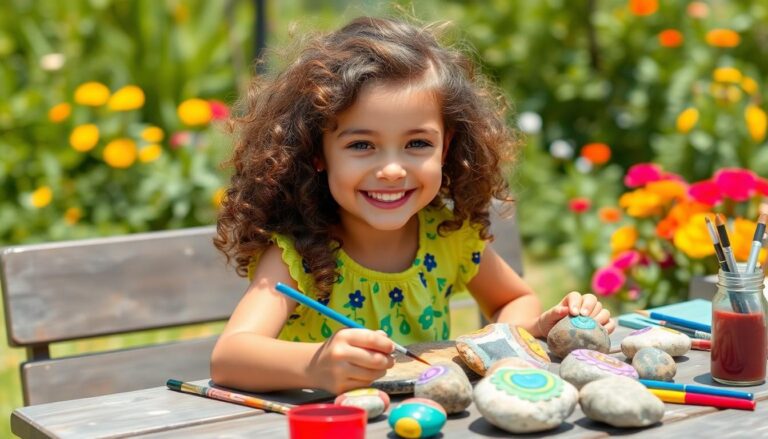
Rock painting transforms ordinary stones into colorful works of art. Smooth river rocks create ideal canvases for painting animals insects flowers faces. Acrylic paints offer vibrant colors that adhere well to rock surfaces with proper sealing. Kids paint ladybugs with red base coats black spots mandarin oranges with textured surfaces bright flowers with rainbow petals. Adding googly eyes creates playful pet rocks while metallic paint produces sparkly garden decorations. Basic supplies include:
- Cleaned smooth rocks
- Acrylic craft paint in multiple colors
- Paint brushes (various sizes)
- Clear sealant spray
- Optional decorations (googly eyes glitter stickers)
Leaf and Flower Pressing
Pressed botanicals preserve nature’s beauty while teaching plant identification science concepts. Children collect fallen leaves colorful flowers during nature walks keeping specimens flat between paper sheets heavy books. The pressing process takes 2-3 weeks creating dried materials for crafting. Pressed items enhance:
- Handmade cards with delicate flower accents
- Bookmarks featuring autumn leaf collections
- Nature journals documenting seasonal changes
- Framed botanical artwork
- Science projects exploring plant parts
- Heavy books or flower press
- Absorbent paper (printer paper parchment)
- Cardboard sheets
- Plant identification guide
- Clear contact paper for preservation
Recycled Material Craft Projects
Recycled materials transform into creative masterpieces through child-friendly craft projects. These activities teach environmental responsibility while encouraging artistic expression using common household items.
Cardboard Box Creations
Empty cardboard boxes serve as versatile building blocks for imaginative play structures. Kids turn shipping boxes into playhouses complete with windows doors painted exteriors. Smaller boxes become robots with moving parts storage compartments painted metallic colors. Kitchen roll tubes form castle towers telescope periscopes rocket ships. Construction techniques include:
- Cutting windows doors using child-safe scissors
- Connecting boxes with strong tape glue
- Adding decorative elements using paint markers stickers
- Creating movable components like drawbridges wheels
- Installing string lights for illuminated designs
Plastic Bottle Art
Empty plastic bottles form the foundation for unique sculptural pieces environmental art. Kids craft flower vases by cutting trimming bottle tops painting vibrant designs. Bottom sections become planters wind spinners sun catchers. Creative bottle projects include:
- Bird feeders filled with seeds decorated with bright colors
- Hanging planters with drainage holes painted patterns
- Wind chimes using bottle caps string beads
- Self watering mini gardens with cotton string soil
- Luminaries with battery operated tea lights designs
| Essential Tools | Materials Needed |
|---|---|
| Safety scissors | Empty bottles |
| Paint brushes | Acrylic paint |
| Strong tape | String/twine |
| Craft glue | Decorations |
Paint and Drawing Activities
Paint and drawing activities develop fine motor skills while allowing children to experiment with colors textures. These artistic endeavors encourage self-expression through various mediums that suit different age groups.
Finger Painting Fun
Finger painting introduces children to tactile art exploration through direct contact with paint. Kids create vibrant designs using non-toxic paint spread across sturdy paper with their fingers palms hands. Common techniques include swirling dots spirals handprints pattern making. Setting up requires:
- Washable tempera paint in primary colors
- Large paper sheets or butcher paper
- Plastic table covering
- Paint containers or paper plates
- Smocks or old shirts
- Wet wipes for cleanup
Art projects incorporate:
- Color mixing experiments
- Texture exploration with salt sand glitter
- Shape stamping using fingertips
- Nature scene creation
- Abstract pattern design
Watercolor Techniques
Watercolor painting teaches color blending control patience through fluid medium exploration. Basic techniques include:
- Wet-on-wet: Apply paint to damp paper for soft edges
- Salt texturing: Sprinkle salt on wet paint for crystal effects
- Wax resist: Draw with white crayon before painting
- Color washing: Create gradient backgrounds
- Spatter painting: Flick paint for starry effects
Essential supplies include:
- Student-grade watercolor sets
- Round synthetic brushes sizes 4-8
- 140lb watercolor paper
- Water containers
- Paper towels
- Palette or mixing tray
- Masking tape
- Rainbow color wheels
- Simple landscape scenes
- Animal portraits
- Abstract designs
- Greeting card creation
Holiday-Themed Craft Ideas
Holiday crafts offer children opportunities to explore creativity while celebrating special occasions throughout the year. These projects enhance cultural understanding through hands-on artistic expression.
Seasonal Decorations
Seasonal decorations engage kids in festive crafting activities aligned with nature’s changing cycles. Paper snowflakes transform windows into winter wonderlands during December using basic folding techniques. Handprint turkeys made from construction paper create memorable Thanksgiving decorations, while tissue paper flowers brighten spring displays. Summer brings opportunities for seashell art incorporating beach findings into picture frames or wind chimes. Children learn color coordination by matching autumn leaves to create fall wreaths using paper plates as bases. Paint-dipped pinecones add sparkle to Christmas trees when sprinkled with glitter. These projects incorporate readily available materials:
- Natural items: leaves, pinecones, acorns
- Basic craft supplies: construction paper, glue, scissors
- Decorative elements: glitter, sequins, ribbons
- Seasonal materials: seashells, pressed flowers, cotton balls
Gift-Making Projects
- Painted ceramic mugs using permanent markers
- Woven friendship bracelets with embroidery floss
- Decorated cookie jars filled with homemade treats
- Scented sachets containing dried lavender flowers
- Personalized bookmarks incorporating pressed flowers
Essential Craft Supplies for Kids
Basic art supplies create a foundation for successful children’s craft projects. A well-stocked craft box includes:
- Drawing Materials
- Colored pencils (12-24 count set)
- Washable markers (broad tip for ages 3-6)
- Crayons (jumbo size for toddlers)
- White paper (multi-purpose)
- Construction paper (assorted colors)
- Adhesives
- Child-safe glue sticks
- White school glue
- Clear tape
- Double-sided tape
- Cutting Tools
- Safety scissors (blunt tip for ages 4+)
- Paper punches (shapes like stars circles)
- Plastic safety rulers
- Decorative Items
- Pom poms (various sizes)
- Pipe cleaners
- Googly eyes
- Sequins
- Stickers
- Glitter (non-toxic washable)
- Painting Supplies
- Washable tempera paint
- Watercolor sets
- Paint brushes (various sizes)
- Paint palettes
- Smocks or old shirts
- Storage Solutions
- Clear plastic containers
- Art supply organizer
- Ziplock bags
- Storage caddy
Storage tips include keeping supplies in clear containers enabling easy access monitoring inventory levels. Label containers with pictures help young children identify materials independently. Create separate bins for different project types (painting drawing cutting) streamlines activity preparation.
| Age Group | Recommended Scissors | Glue Type | Paint Type |
|---|---|---|---|
| 2-3 years | None (pre-cut items) | Glue stick | Finger paint |
| 4-5 years | Blunt tip safety | School glue | Tempera |
| 6+ years | Standard safety | All types | All types |
Safety Tips and Parent Supervision
Parent supervision ensures safe DIY crafting experiences for children ages 3-12. Adults monitor tool usage directing children to handle scissors pointing downward with rounded tips.
Essential Safety Practices:
- Store sharp tools in locked containers away from young children
- Use non toxic craft materials certified for children
- Keep small items like beads away from children under 3
- Maintain a clean workspace free of scattered supplies
- Provide proper ventilation when using paint or adhesives
Age Appropriate Supervision:
| Age Group | Supervision Level | Recommended Tools |
|---|---|---|
| 3-5 years | Direct constant oversight | Safety scissors scissors glue sticks washable markers |
| 6-8 years | Close monitoring | Child scissors washable paint basic craft tools |
| 9-12 years | Periodic checking | Standard scissors craft knives paint supplies |
Workspace Setup:
- Place newspapers or washable mats under craft areas
- Position supplies within easy reach of seated children
- Keep paper towels water containers nearby for cleanup
- Ensure proper lighting in the craft space
- Remove hanging cords clothing that could catch on supplies
Emergency Preparedness:
- Keep first aid supplies accessible
- Post emergency contact numbers visibly
- Store cleaning supplies nearby for spills
- Maintain clear paths to exits
- Review basic safety rules before each session
Parents establish clear safety guidelines explaining proper tool handling techniques. Children learn responsible crafting habits through consistent supervision adapted to their age development level.
Conclusion
DIY arts and crafts offer children an invaluable opportunity to develop essential life skills while having fun. From simple paper crafts to nature-inspired projects these activities provide a perfect balance of entertainment and education.
Parents who encourage creative exploration through arts and crafts are investing in their child’s future success. By maintaining a well-stocked craft area and following proper safety guidelines they’re creating an environment where imagination can flourish.
Whether it’s painting rocks making holiday decorations or crafting with recycled materials each project contributes to a child’s cognitive social and emotional growth. There’s no better time than now to start this creative journey with the young artists at home.